
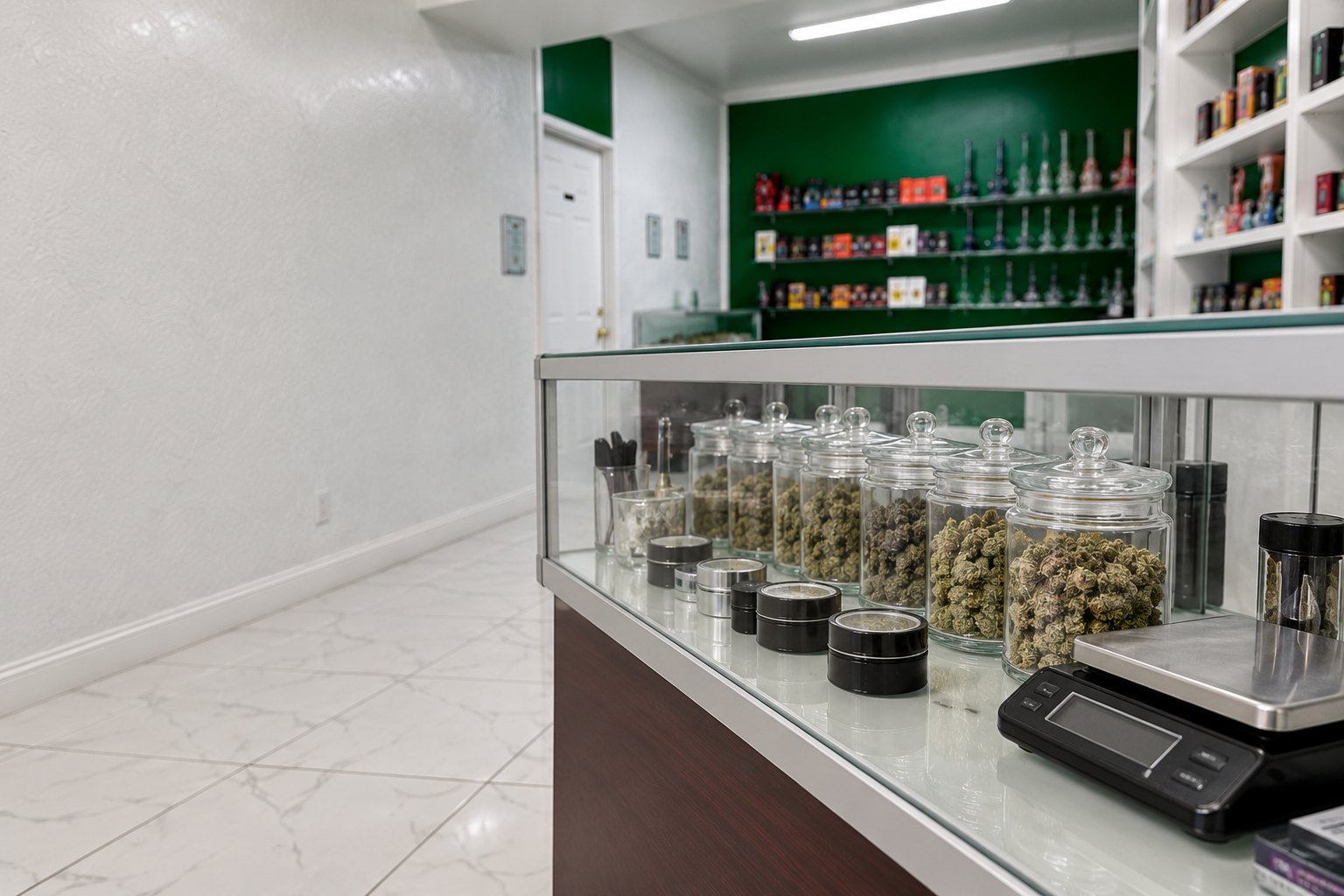
Every jar of hemp flower on our shelf in Richland Hills has a lab report behind it. Most customers never ask to see one, and that is fine. But if you have ever wondered what the report actually says, or why we keep pointing people to it, this guide walks through it the same way we do at the counter.
What a Lab Report Is
A lab report, often called a certificate of analysis or COA, is a document from an independent testing lab. The lab takes a sample from a specific batch of flower and measures what is in it. The report lists the results and ties them to that batch with a batch or lot number.
That last part matters. A lab report is only useful if it matches the jar in your hand. When you look at one, the first thing to check is that the batch number on the report matches the batch number on the product label.
The Cannabinoid Results
The main table on most reports is the cannabinoid profile. It lists compounds such as THCA, delta 9 THC, CBD, CBG and others, each with a percentage or a milligram per gram figure.
- THCA is the acidic form found in raw flower. It is usually the largest number on a hemp flower report.
- Delta 9 THC is the figure federal hemp rules focus on, measured on a dry weight basis.
- Total THC is a calculated figure that combines delta 9 THC with the THC that THCA could convert to. Labs use a standard formula for it.
- Total cannabinoids adds everything the lab detected.
If two strains look similar on the shelf, the cannabinoid table is the easiest way to compare them. Higher is not always better for everyone. Many customers prefer a moderate number they know they enjoy.
Terpenes
Some reports also include a terpene panel. Terpenes are the aromatic compounds that give a strain its smell, such as myrcene, limonene, caryophyllene and pinene. Not every lab tests for them and not every batch includes a terpene page, so do not worry if yours does not.
If smell and taste matter most to you, the terpene panel can be more useful than the cannabinoid table. Strains with similar THCA figures can smell completely different.
The Safety Panels
A full panel report goes beyond potency. It may include tests for:
- Pesticides
- Heavy metals such as lead, arsenic, cadmium and mercury
- Microbials such as mold, yeast and bacteria
- Mycotoxins
- Moisture content or water activity
- Foreign material
Each test usually shows a result and a pass or fail mark against an action limit. You do not need to understand every line. Look for the overall result for each panel and make sure nothing is marked as a fail.
Dates and the Lab Itself
Check the test date. A report from a long time ago may not reflect how the flower is today, especially for moisture and freshness. Also check the lab name and contact details at the top. A real report comes from a lab you can look up, and many reports include a QR code that opens the original on the lab's own site.
How We Use Lab Reports at Kush Kingdom
We use lab reports to decide what goes on the shelf, and we keep them available for every batch of hemp flower we sell. If you want to see one, ask at the counter, or follow the link on the product page when it is listed on our flower menu.
If a report is confusing, bring it to the counter and we will walk through it with you. That is part of the job, and it takes a couple of minutes.
A Quick Checklist
- The batch number on the report matches the jar.
- The report comes from an independent lab you can look up.
- The test date is reasonably recent.
- The cannabinoid table shows what you expect for that strain.
- Every safety panel listed shows a pass.
Hemp flower is for adults 21 and over with a valid photo ID, checked on every visit. Our Richland Hills shop on Boulevard 26 is open every day from 8 AM to midnight. Call (214) 784-9595 if you want us to check a specific batch before you drive over.